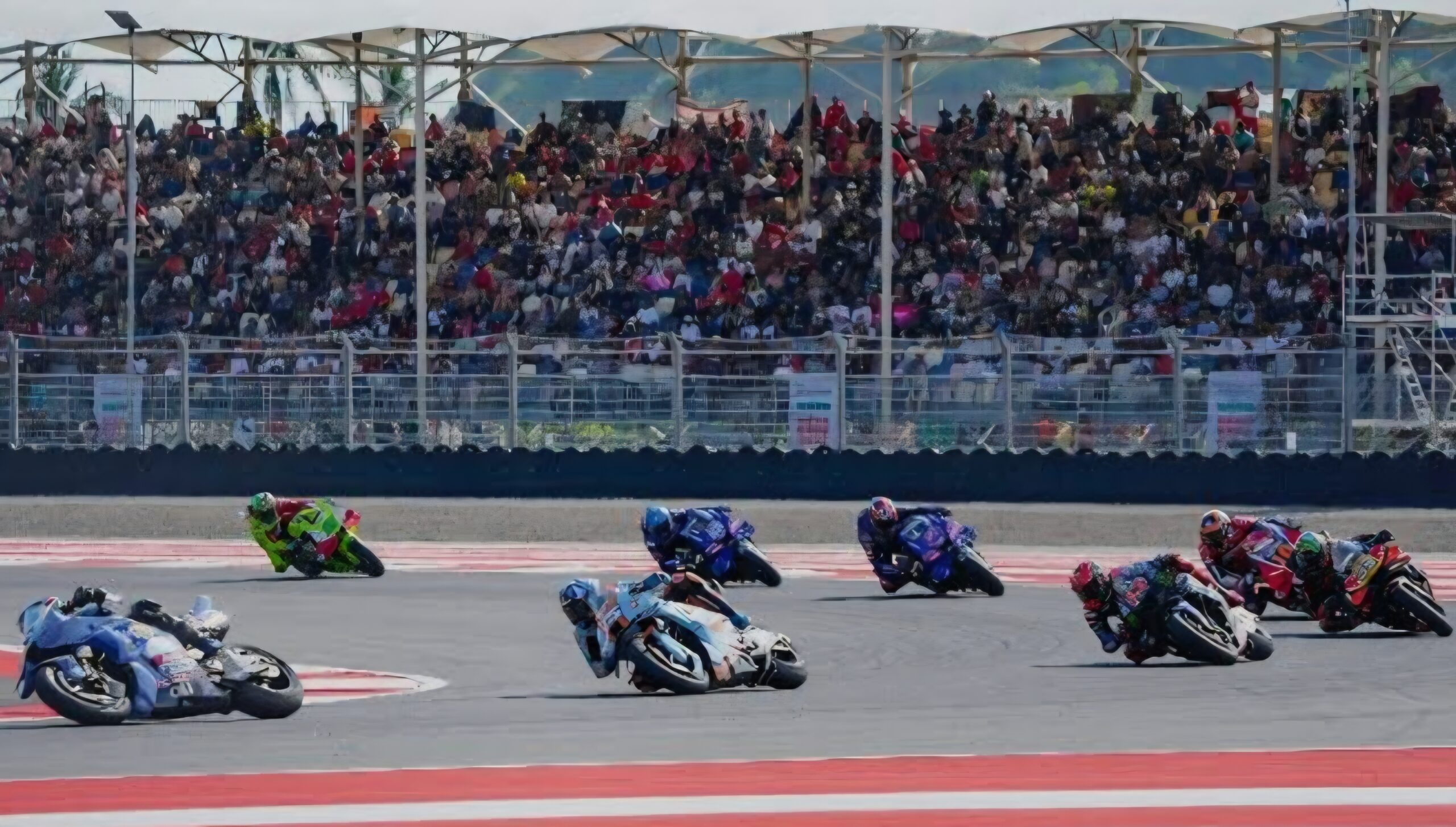
LOMBOK (LE) — As the engines prepare to roar once again at the Mandalika International Circuit, anticipation is building not only among motorsport fans but also across West Nusa Tenggara’s tourism industry. For thousands of hotel workers, restaurant owners, travel operators, and local businesses, the Pertamina Grand Prix of Indonesia 2026 represents far more than a world-class racing event—it is a catalyst for economic opportunity.
A recent analytical report projects that star-rated hotels across West Nusa Tenggara will experience a significant surge in occupancy during the MotoGP weekend, scheduled for October 9–11, 2026. Using a Seasonal ARIMA with Exogenous Variables (SARIMAX) forecasting model, researchers estimate hotel occupancy will reach approximately 80.3 percent, with a moderate projection ranging between 78 and 82 percent.
The forecast reflects growing optimism surrounding the event, particularly after organizers introduced an earlier ticket sales strategy. Industry observers believe the move encourages visitors to secure accommodation months in advance while extending their length of stay throughout the region.
Unlike previous years, the 2026 event is expected to generate a more evenly distributed flow of visitors before and after race weekend. Earlier planning by travelers also gives airlines, hotels, and tour operators additional time to prepare capacity and improve services.
The strongest demand is expected to be concentrated in four-star and five-star hotels, which traditionally accommodate corporate guests, official delegations, sponsors, and international visitors. Meanwhile, three-star hotels are projected to benefit substantially from domestic travelers and organized tour groups, reinforcing their role as the backbone of the region’s hospitality sector.
Researchers estimate that around 131,840 guests will stay in star-rated hotels during the MotoGP period. Four-star hotels are expected to account for nearly 42 percent of total guests, followed by three-star hotels with approximately 36 percent, highlighting the continued appeal of quality accommodation at competitive prices.
The report also emphasizes that the event’s economic impact extends beyond hotel rooms. Earlier bookings are expected to stimulate airline demand, increase transportation activity, strengthen tourism packages, and encourage visitors to spend more time exploring Lombok’s beaches, cultural attractions, and culinary destinations.
Despite the positive outlook, analysts caution that several external factors could influence the final outcome. National economic conditions, flight availability, weather, and international travel demand remain important variables that could either strengthen or weaken hotel performance during the event.
Even so, MotoGP Mandalika continues to demonstrate its growing importance as one of Indonesia’s flagship sport tourism events. More than a global motorcycle championship, it has evolved into an economic engine capable of generating widespread benefits for local communities and tourism businesses.
The report concludes that maintaining early ticket sales, strengthening collaboration between government agencies and the hospitality industry, expanding integrated tourism packages, and ensuring adequate transportation capacity will be essential to maximizing the event’s long-term economic impact.
As October approaches, optimism is spreading across West Nusa Tenggara. For many local businesses, MotoGP 2026 is not simply about racing—it represents another opportunity to welcome the world while showcasing Lombok as one of Southeast Asia’s emerging tourism destinations. (lex)